Chasing Waterfalls: Your Guide to the Most Scenic Cascades Near Nuwara Eliya, Sri Lanka

Amelia Rose
Travel Writer
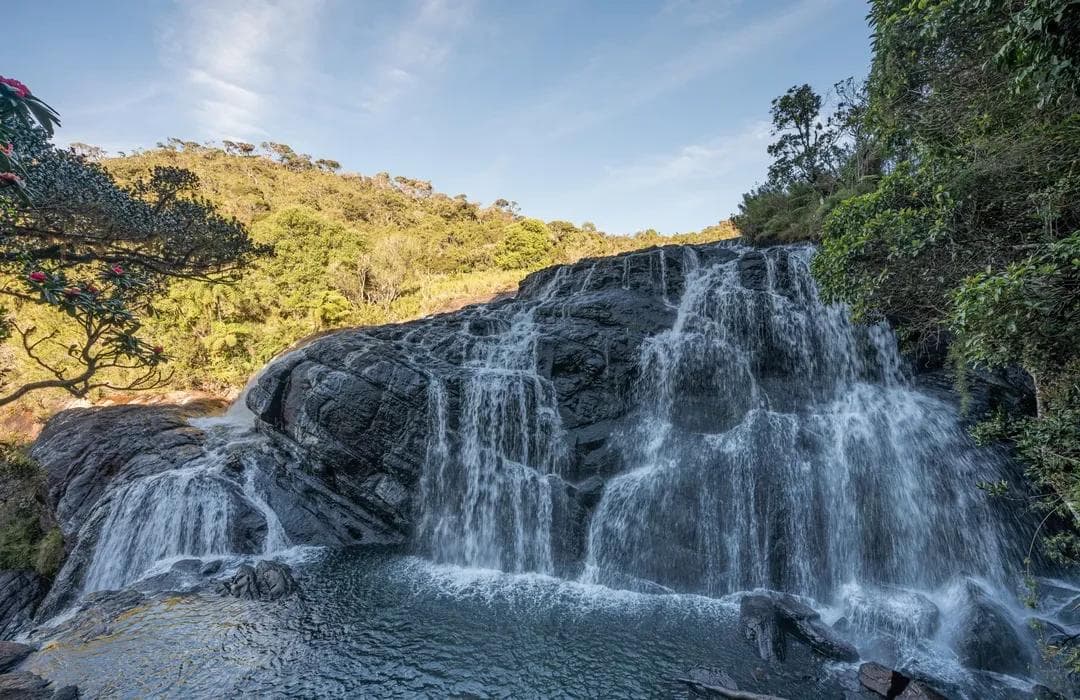
The hill country of Sri Lanka is synonymous with misty mornings, rolling tea estates, and the rhythmic sound of rushing water. Nuwara Eliya, perched high in the Central Province, is the perfect base for exploring some of the island’s most magnificent and powerful waterfalls. These natural wonders, fed by the catchment areas of Sri Lanka’s highest mountains, are more than just scenic stops; they are a vital part of the landscape’s dramatic beauty. Prepare your camera and comfortable shoes as we guide you through the essential cascades that define the majesty of ‘Little England.’
The Great Roadside Giants
The journey to or from Nuwara Eliya often treats travelers to two of the most spectacular and easily accessible waterfalls in the country, both visible right from the main roadside.
Devon Falls: The Veil of the Valley
Named after an English coffee planter whose estate once thrived here, Devon Falls is a tiered cascade of stunning beauty. Plunging from a height of approximately ninety seven meters, it is often dubbed the “Veil of the Valley” due to its graceful, curtain like flow over the rock face. The waterfall is situated amidst the famous Dimbula tea region, and the surrounding plantations provide a spectacular, emerald green frame for the powerful white water. While you cannot hike directly to the base easily, the designated viewpoints along the A7 road offer unforgettable photographic opportunities and often have small stalls where you can enjoy a hot cup of Ceylon tea while you admire the view.
St. Clair’s Falls: Little Niagara
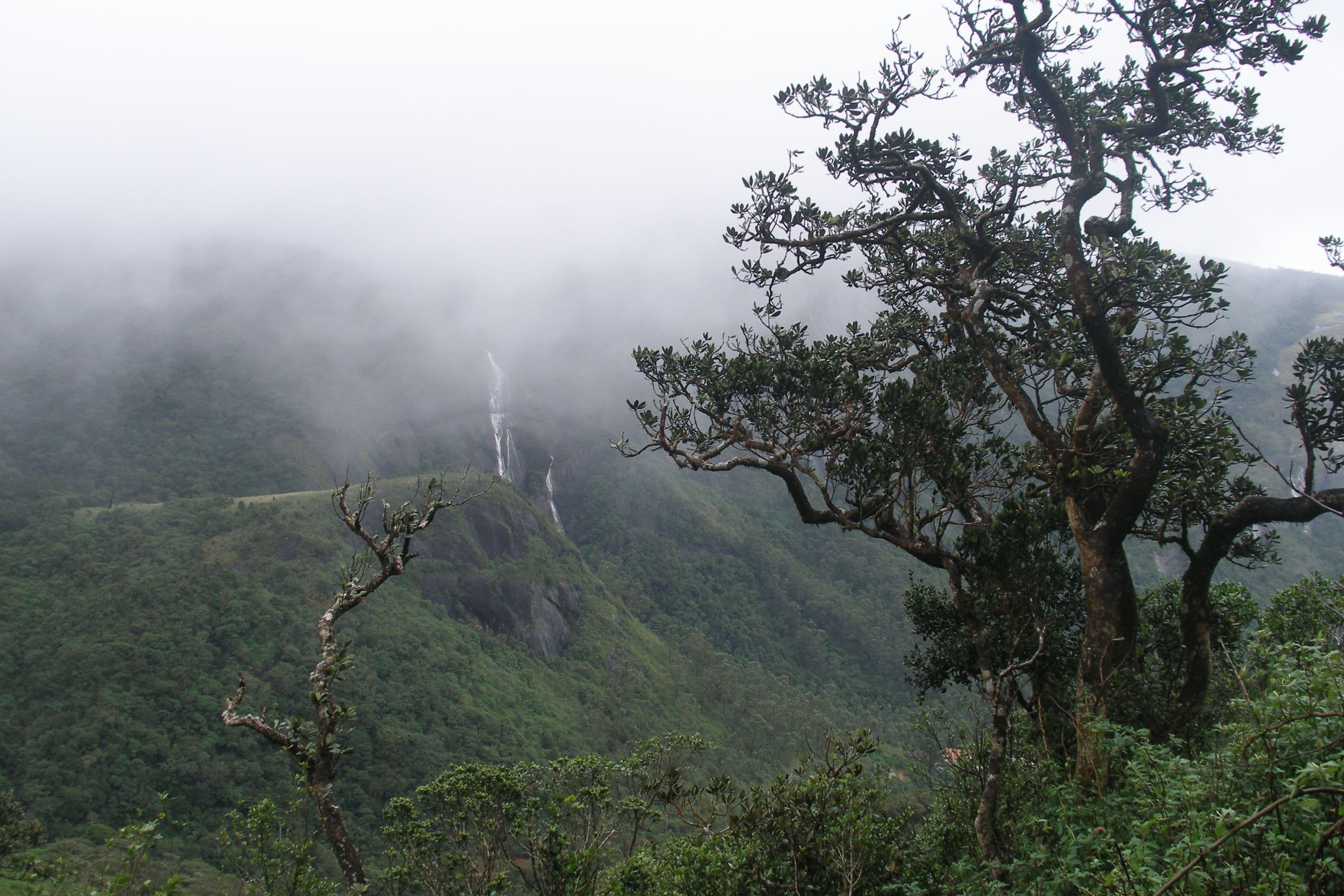
Just a short distance from Devon Falls, you will find St. Clair’s Falls, an impressive natural spectacle so vast it has earned the nickname “Little Niagara of Sri Lanka.” Unlike the single, sheer drop of many cascades, St. Clair’s is a powerful, tiered waterfall consisting of two sections the Maha Ella (Greater Fall) and the Kuda Ella (Lesser Fall). With a total height of eighty meters and an incredible width, it is regarded as one of the widest waterfalls in the entire country. Like its neighbor, St. Clair’s can be viewed from several easy access points along the highway, but the sheer volume of water cascading through the sprawling tea estates makes this a truly overwhelming sight.
The Falls of Legend and Elevation
Beyond the main highways, two other waterfalls offer unique experiences tied to local folklore and the heart of the Nuwara Eliya town.
Lover’s Leap Falls: A Romantic Tale
Lover's Leap is the most accessible waterfall from the Nuwara Eliya town center, requiring only a short, pleasant hike of about thirty minutes through the sprawling greenery of the Pedro Tea Estate. Cascading down from approximately thirty meters, it gets its water directly from Sri Lanka’s highest mountain, Pidurutalagala. Its name comes from a poignant local legend of a prince and a beautiful village girl who, facing a forbidden love, chose to leap to their deaths from the top of the falls to ensure eternal union. The relatively gentle hike provides beautiful sweeping views of the entire Nuwara Eliya countryside, making the journey as rewarding as the destination itself.
Ramboda Falls: The Three Step Wonder
Ramboda Falls is another magnificent feature located on the Kandy to Nuwara Eliya road. This impressive cascade stands at one hundred and nine meters and is uniquely formed in three distinct segments. Its powerful rush can be accessed from multiple points, with many travelers choosing to explore the lower and upper sections which require short but rewarding hikes. The experience of getting close to the mist and feeling the sheer force of the water makes Ramboda a highlight of any hill country road trip. There are several rest stops and even hotels built nearby that offer incredible, window views of the entire tiered waterfall.
Traveller’s Tips for Waterfall Chasing
The best time to witness these waterfalls at their absolute peak power is during or immediately following the monsoon season, typically from October to January, and also around April to May. During the dry season, the flow can be significantly reduced. Always wear sturdy, non slip shoes, as the paths and viewpoints are naturally wet and can become quite slippery. Respect the power of the water and always observe safety barriers; while the views are tempting, the currents in the plunge pools can be extremely dangerous.
Enjoyed this story? Share it
About the Author
Amelia Rose
A passionate mountain explorer and travel storyteller dedicated to uncovering the misty secrets, misty tea plantation trails, colonial heritage walks, and the vibrant scenic beauty of Nuwara Eliya — the Little England of Sri Lanka.