Fresh and Flavorful: Why Nuwara Eliya's Vegetables are a Culinary Highlight (and Where to Buy Them)

Ryan Cooper
Travel Writer
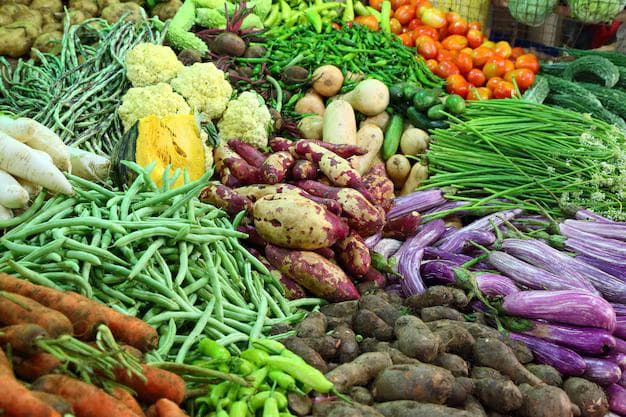
Beyond the delicate aroma of Ceylon tea and the cool, crisp mountain air, Nuwara Eliya holds a unique claim to culinary fame: its spectacular cool climate vegetables. The high elevation, temperate climate, and consistent rainfall create a terroir that is perfect for growing produce rarely seen in abundance elsewhere in tropical Sri Lanka. These fresh, flavorful ingredients are not just part of the local diet; they are a highlight for visitors, transforming everyday Sri Lankan dishes into something extraordinary. Understanding where this produce comes from and how to buy it is essential for any foodie exploring the highlands.

The Magic of the Hill Country Climate
The reason Nuwara Eliya's vegetables are so renowned is simple: the climate mimics the temperate zones of Europe. The consistent cool temperatures prevent many pests and allow crops like carrots, leeks, cabbage, and potatoes to mature slowly. This slow growth process concentrates their natural sugars and flavors, resulting in produce that is sweeter, denser, and far more robust than those grown in the heat of the lowlands. This high quality has earned the region the nickname "Vegetable Garden of Sri Lanka."
The Central Market: A Feast for the Senses
The primary destination for experiencing this bounty is the Nuwara Eliya Central Market. This bustling, covered marketplace is a vibrant, sensory spectacle and the central hub for the distribution of the region's agricultural output.
The market stalls are piled high with massive carrots, plump cabbages, long, thick leeks, and gleaming white potatoes. It is an ideal spot for photography, soaking up the local commerce, and interacting directly with the farmers and vendors. Unlike tourist traps, this is where the locals shop, guaranteeing both freshness and highly competitive prices. Beyond the famous root vegetables, look for:
- Knol Khol (Kohlrabi): A slightly sweet, crunchy cabbage relative used frequently in local curries.
- Beetroot and Radishes: Often grown to an impressively large size and prized for their deep, earthy flavors.
- Bell Peppers and Lettuce: Growing in abundance due to the climate, these are often the star of local salads.
Roadside Stalls: Buying Direct from the Source
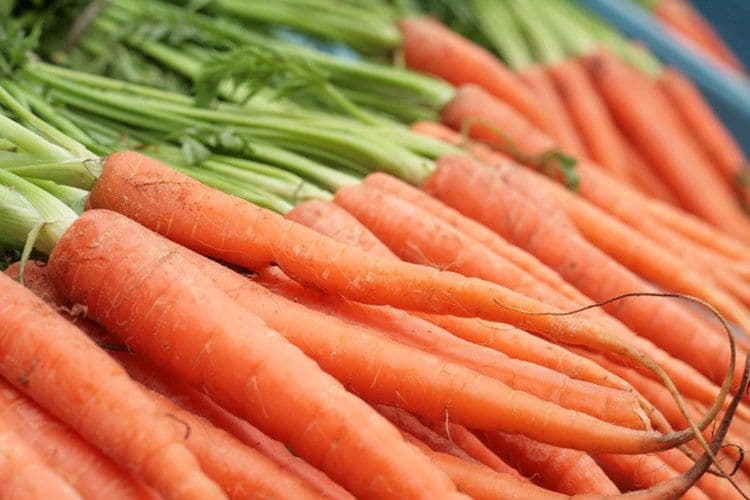
For a truly authentic 'farm to fork' experience, explore the myriad of roadside stalls, especially those located on the main routes leading out of town towards Hakgala, Ambewela, and Bopattalawa.
These rustic stalls are often run by the farmers themselves and are filled with surplus harvest. Here, you can buy vegetables that were literally pulled from the ground that morning. It’s also an excellent place to find specialty items like fresh strawberry jam or dried herbs and spices. When buying here, you are directly supporting the agricultural communities of the highlands. Do not hesitate to engage in some polite negotiation, especially if buying in bulk.
The Culinary Impact
The freshness of this produce profoundly influences Nuwara Eliya's local cuisine. The simplest rice and curry tastes cleaner and brighter because the vegetable curries are made with ingredients that have traveled mere kilometers. The local kottu and short eats also benefit from the sweet, crisp texture of these vegetables. When dining locally, you are essentially eating the landscape.
Tips for Visitors and Foodies
- Timing: The market is busiest and freshest in the early morning. Go before 10:00 AM for the best selection.
- Packing: If you plan to travel with produce, ensure you buy it towards the end of your Nuwara Eliya stay. The market vendors can often wrap items securely in paper and plastic for travel.
- Spices: While the vegetables are the highlight, the market is also a fantastic place to buy bags of fresh, locally ground curry powders, which make perfect culinary souvenirs.
The simple, honest goodness of Nuwara Eliya’s vegetables is a subtle yet powerful reminder of the area’s natural wealth. It’s a sensory experience that grounds you in the local culture and makes every meal in the highlands a distinct pleasure.

Enjoyed this story? Share it
About the Author
Ryan Cooper
A passionate mountain explorer and travel storyteller dedicated to uncovering the misty secrets, misty tea plantation trails, colonial heritage walks, and the vibrant scenic beauty of Nuwara Eliya — the Little England of Sri Lanka.