Step Back in Time: Exploring Nuwara Eliya's Colonial Architecture and History

Ethan Miller
Travel Writer
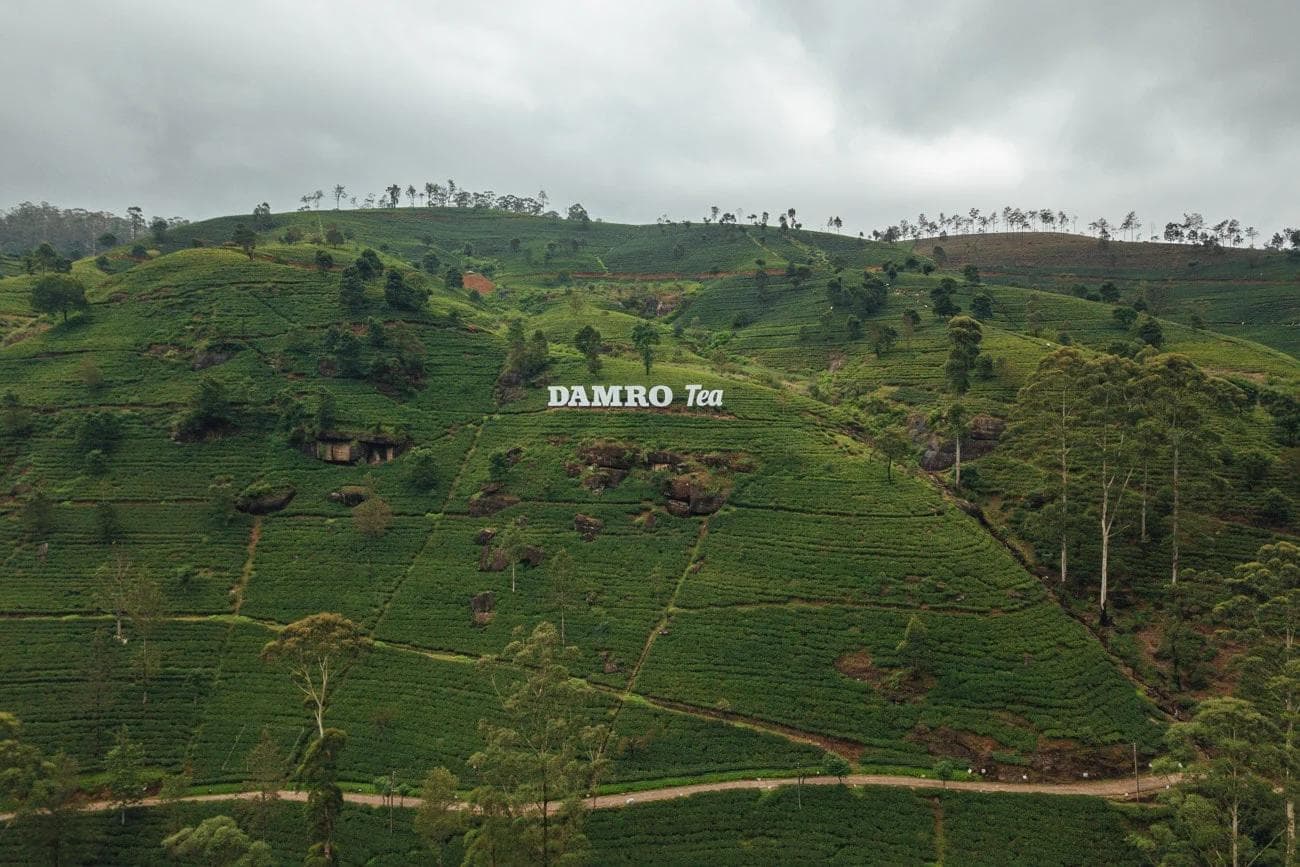
Nuwara Eliya is not merely a town in Sri Lanka; it is a meticulously preserved time capsule. Often dubbed ‘Little England,’ this hill station was established by the British in the 19th century as a cool-weather retreat from the heat of the plains. As a result, the town’s streets are lined with buildings that perfectly blend Victorian charm with Tudor style architecture, complete with sloping roofs, decorative gables, and sprawling gardens. For history buffs and architecture enthusiasts, exploring Nuwara Eliya is like walking through the pages of a colonial history book.

The Heart of the Town
The very core of Nuwara Eliya is dominated by structures that stand as proud monuments to the era of tea planting and leisure.
The General Post Office is arguably the most photographed colonial building in the city. Built in 1894, this bright red brick structure features a recognizable clock tower and steep gabled roofs, making it a classic example of late Victorian architecture. It remains fully operational and is a testament to the enduring practicality of its design.
Just a short distance away is The Hill Club. Founded in 1876, this exclusive club was once the social pinnacle for British planters. Its sprawling Tudor style manor, complete with wood paneling, large fireplaces, and hunting trophies, perfectly encapsulates the upper class lifestyle of the colonial period. While its exclusivity has lessened, stepping into its grounds immediately transports you to a bygone age of rigid formality and tradition.
Leisure, Luxury, and the Grandeur of Victorian Style
The British established institutions in Nuwara Eliya that allowed them to continue their favorite pastimes, and the architecture of these places reflects their commitment to luxury and leisure.
The Grand Hotel is the epitome of Victorian opulence in the hill country. Originally the residence of Sir Edward Barnes, a former Governor of Ceylon, it was converted into a luxury hotel in the 1890s. Its sprawling facade, manicured lawns, and grand interiors reflect a deep investment in comfort and European sensibility. Staying here or simply enjoying a meal is an immersion into the area's aristocratic past.
Another key piece of colonial legacy is the Nuwara Eliya Golf Club. Established in 1889, it is one of the oldest golf clubs in Asia. The layout and the clubhouse itself, a charming, low-slung building with traditional hill country features, reflect the importance of sporting traditions that the planters brought with them. The well worn leather furniture and historical photographs inside tell a quiet story of generations of players.
The Railway Link and Residential Charm
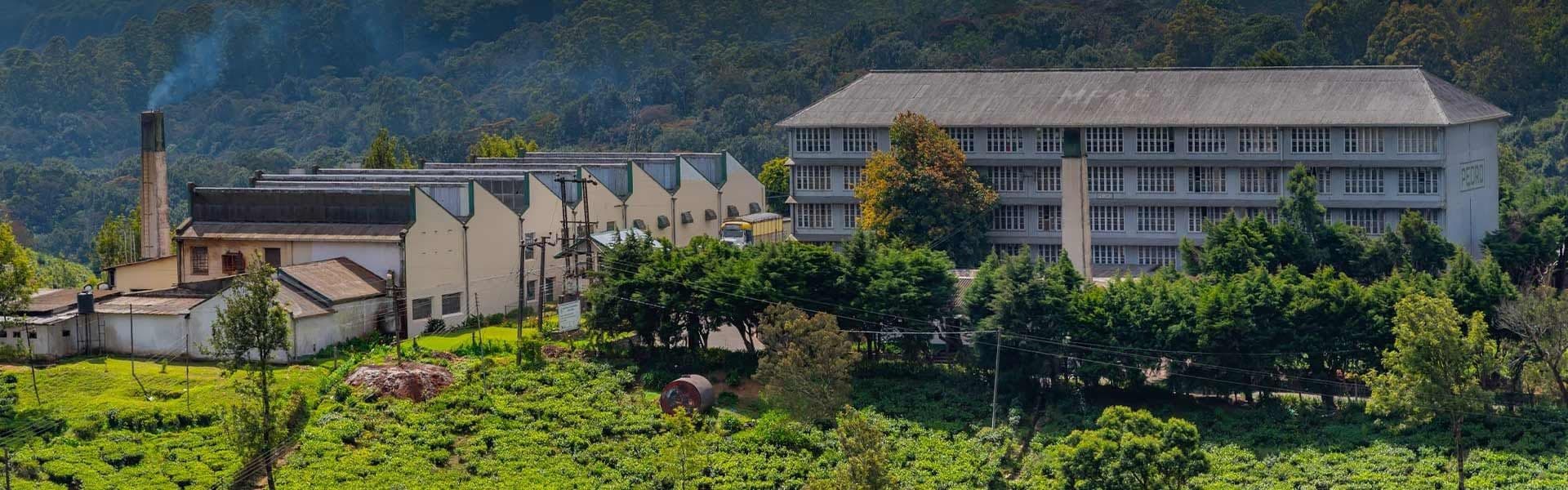
While the main station for Nuwara Eliya is actually in Nanu Oya, the architecture of that station is itself a vital part of the town’s colonial history. The establishment of the railway line allowed the swift transportation of tea and provided a relatively comfortable route for colonial families escaping the lowland heat. The Nanu Oya station retains its original British engineering and design, still serving as the main transport gateway to the high elevation town.
Throughout Nuwara Eliya, the residential areas are dotted with hundreds of colonial bungalows. These homes, built for tea estate managers and British administrators, feature distinctive elements designed for the cool climate: fireplaces, chimneys, bay windows, and heavy use of timber and stone, all contrasting sharply with the tropical Sri Lankan styles seen elsewhere on the island.
The Enduring Atmosphere
The architectural relics of the past are beautifully complemented by the continued tradition of services like High Tea. This ritual, maintained by many of the colonial hotels, provides an authentic experience of the time period. Sipping tea and enjoying scones and sandwiches in a centuries old dining room completes the journey back in time. The unique combination of the cool, misty weather and the presence of these structures allows Nuwara Eliya to maintain its historical persona unlike anywhere else in Sri Lanka.
Exploring the history and architecture of Nuwara Eliya is a reminder of the cultural intersections that defined Sri Lanka’s past. These buildings are more than just landmarks; they are the frozen moments of a different era, offering a fascinating contrast to the island’s vibrant, tropical identity.
Enjoyed this story? Share it
About the Author
Ethan Miller
A passionate mountain explorer and travel storyteller dedicated to uncovering the misty secrets, misty tea plantation trails, colonial heritage walks, and the vibrant scenic beauty of Nuwara Eliya — the Little England of Sri Lanka.