Where to Spot the Best Birdlife in Nuwara Eliya: A Guide for Nature Enthusiasts

Nisala Jayawardena
Travel Writer
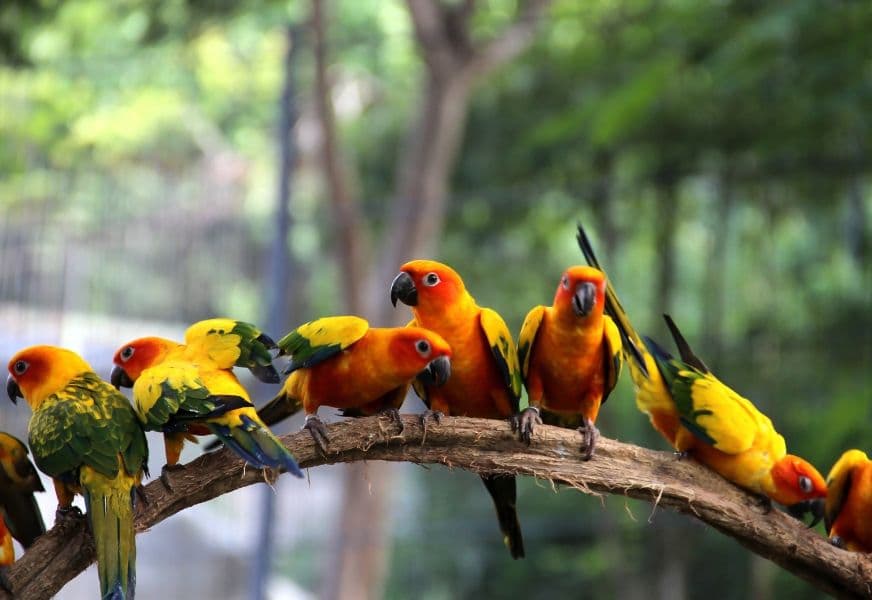
The hill country of Sri Lanka is a true ornithological haven. The unique montane forest ecosystem around Nuwara Eliya, shaped by high altitude and mist, provides the perfect sanctuary for a wealth of bird species, including many of the island’s sought after endemics. For nature enthusiasts, these highlands offer some of the best birdwatching opportunities in Asia. To maximize your sightings, knowing where to focus your attention is essential.
Horton Plains National Park: The Endemic Stronghold
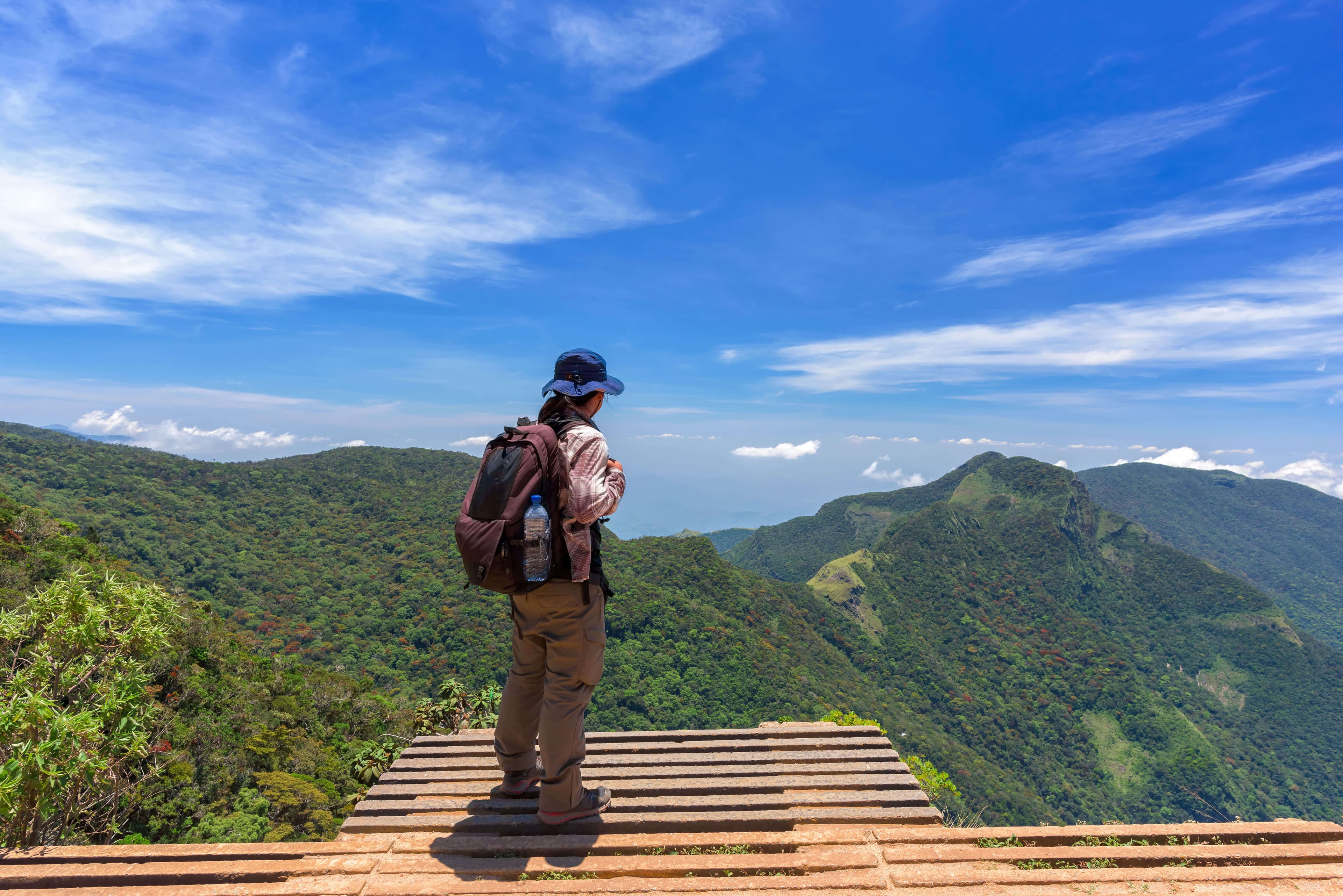
Horton Plains is the undisputed champion for high altitude birdwatching. Its mixture of open grasslands (patana) and dense cloud forest is the perfect habitat for several species found nowhere else. It is an extremely important birding area, hosting approximately twenty endemic species of Sri Lanka.
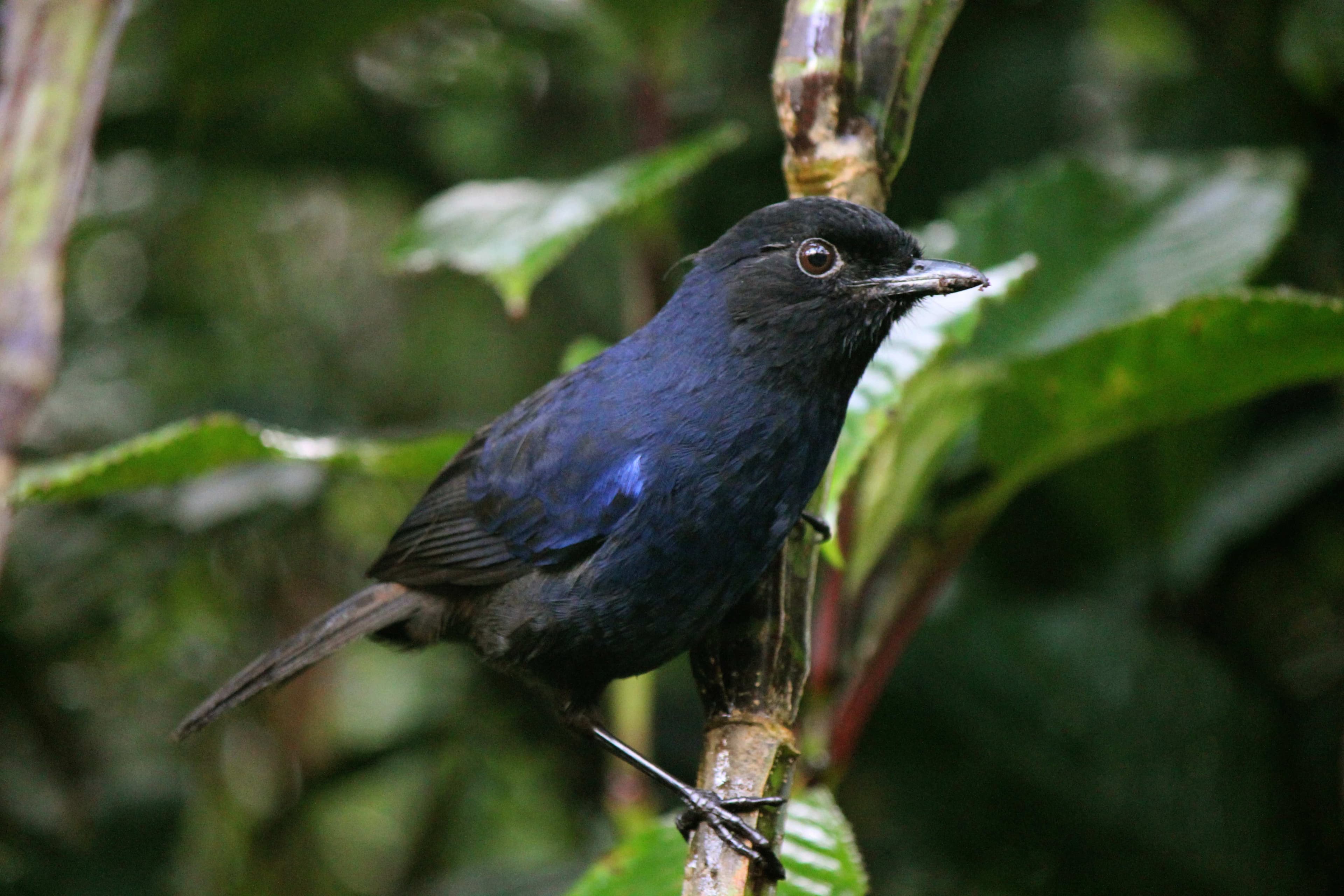
The two most sought after sightings here are the elusive Sri Lanka Whistling Thrush and the Dull blue Flycatcher. The Whistling Thrush, known for its beautiful, melancholic song, is particularly difficult to spot but often rewards patient birders in the dense vegetation near water sources. Other endemics commonly seen here include the Yellow eared Bulbul and the Sri Lanka Bush Warbler. While you are there, keep an eye out for the Sri Lanka Wood Pigeon high in the trees. The early morning trek to World's End provides the most active birding window.
Galway’s Land National Park: The Accessible Gem
Galway's Land is one of the smallest national parks in Sri Lanka, situated surprisingly close just two kilometers from the center of Nuwara Eliya town. This makes it an ideal spot for birders who want to maximize their time without a long drive.
This small, dense forest reserve is recognized as a significant birding site, harboring about thirty native species and around twenty rare migratory birds. Galway's Land is a crucial sanctuary for high altitude endemics like the Dull blue Flycatcher and the Sri Lanka White eye. Migratory species such as the Indian Blue Robin and the Kashmir Flycatcher are also recurrent visitors, often lurking in the denser undergrowth, rewarding a patient approach.
Victoria Park: Migratory Visitors in the Town
It may seem counterintuitive to find prime birdwatching in the middle of town, but the lush, twenty seven acre expanse of Victoria Park is a favorite resting and feeding spot for both resident and migratory birds. Its location and mix of alien and native trees make it a crucial urban oasis.
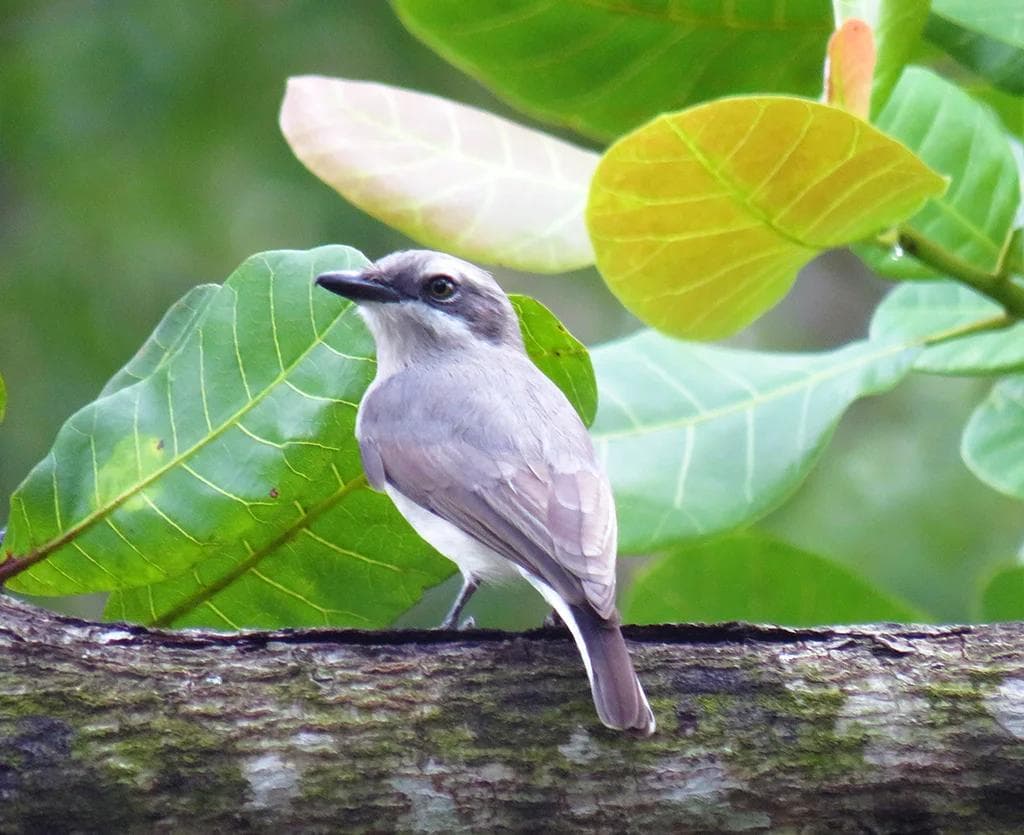
The park is especially popular during the northern winter months for catching migratory species that have traveled long distances. Keep an eye out for visitors like the Indian Pitta, the Pied Thrush, and the beautiful Kashmir Flycatcher. Resident endemics like the Yellow eared Bulbul and the Sri Lanka White eye are also frequently spotted among the well manicured flower beds and trees. This spot is perfect for a gentle, rewarding morning walk with your binoculars.
Hakgala Botanical Gardens: Flowers and Feathered Friends
The diverse, exotic flora of the Hakgala Botanical Gardens naturally attracts a wide variety of birdlife. The combination of dense forest, open lawns, and numerous flowering plants creates varied feeding and nesting opportunities.
As you walk through the Fernery or the Upper Flower Garden, you have a good chance of spotting forest dwelling birds like the Sri Lanka Scimitar Babbler and several species of flycatchers and babblers. The abundant blooms also attract numerous insects, which in turn draw insectivores. The quiet, uncrowded nature of the gardens also makes it easier to hear and track calls without the noise of human crowds.
Essential Tips for Birding in the Highlands
- Timing is Everything: The best time for bird activity is during the early hours of the morning (6:00 AM to 9:00 AM) and the late afternoon. This is when birds are most actively feeding.
- Be Prepared: Always carry a good pair of binoculars and a field guide specific to the region. The high altitude weather is unpredictable; bring warm layers and a waterproof jacket.
- Patience and Silence: Many of the most unique endemic birds are shy and elusive. Move slowly, speak softly, and be prepared to wait quietly near known feeding or watering spots.
The hill country around Nuwara Eliya provides an exceptional stage for witnessing the island’s rich and beautiful avifauna. By focusing on these key locations and embracing patience, your birdwatching experience here will be truly memorable.
Enjoyed this story? Share it
About the Author
Nisala Jayawardena
A passionate mountain explorer and travel storyteller dedicated to uncovering the misty secrets, misty tea plantation trails, colonial heritage walks, and the vibrant scenic beauty of Nuwara Eliya — the Little England of Sri Lanka.